
MindEar | Tinnitus Relief
MindEarMedical
3.634.00 Reviews
- Version
- 1.1.34
- Installs
- 10.00K
- Age Rating
- Everyone
Screenshots

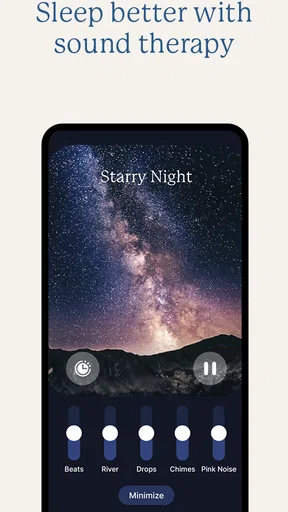

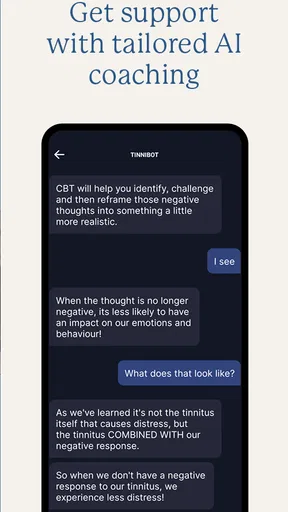
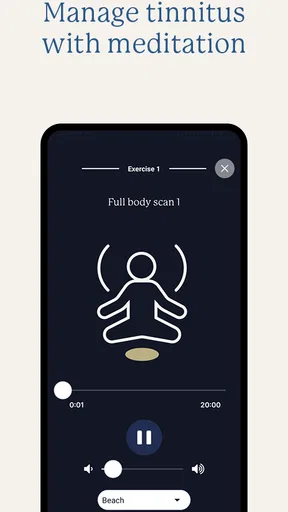
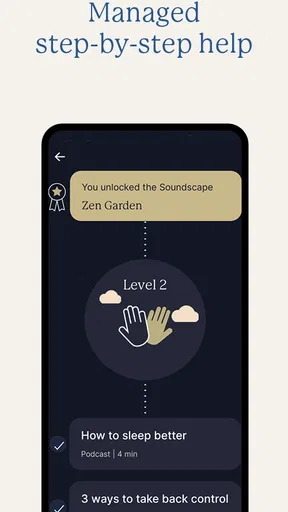

Our Review of MindEar | Tinnitus Relief
 Analysis by Appyee
Living with tinnitus can make ordinary moments feel unexpectedly difficult: a quiet bedroom, a long train ride, or a pause between tasks may suddenly draw attention to a ringing or buzzing sound. I reviewed MindEar as a medical app built around virtual therapy for tinnitus management, with a particular focus on how it fits into real mobile use. My overall impression is that it is most useful when treated as a guided self-management tool rather than a quick cure or a replacement for professional medical advice.
The app comes from MindEar and is free to install, although it includes optional purchases ranging from $5.99 to $289.99 per item. It is rated for Everyone and requires Android 8.0 or later. Its current version is 1.1.34, and the app has passed the ten-thousand-install mark. Those details place it within reach of many Android users, but the modest average rating of 3.6 from more than two hundred ratings suggests that the experience is not equally satisfying for everyone.
How MindEar fits into connected, mobile tinnitus care
I see MindEar fitting best as one part of a wider tinnitus-care routine, rather than a stand-alone fix: the app can support guided self-management, while clinicians and familiar offline coping strategies have different roles. In this section, I’ll look at how that mobile approach connects with everyday care and where a user may need to make deliberate choices. That context helps explain why the handoffs matter as much as the app itself.
What the therapy approach feels like
What separates MindEar from a basic sound machine is its emphasis on virtual therapy. Instead of simply playing background noise and leaving me to decide what to do next, the concept is aimed at helping users change their response to tinnitus. That distinction matters. A masking app can make a room feel less empty, but it does not necessarily help when the sound becomes noticeable again after the audio stops.
I found the most sensible way to approach this app is with modest expectations. Tinnitus has many possible causes, and an app cannot identify the reason behind a new or changing symptom. If ringing appears suddenly, affects one ear, follows an injury, or comes with hearing loss, dizziness, pain, or other concerning symptoms, a clinician should come before self-guided exercises. MindEar is better seen as a companion for management after a user has decided that a digital routine is appropriate.
The therapy idea is also more demanding than pressing play on relaxing music. Users need to pay attention, follow guidance, and give the process enough consistency to judge whether it helps. That can be a strength for someone who wants an active method, but it may feel like work when the immediate goal is simply to fall asleep.
Where connectivity becomes part of the experience
Because this is a mobile therapy app, the quality of the experience can depend on the conditions around the phone. A strong connection is especially important when opening a session, moving through account-related screens, or using any content that needs to be delivered rather than stored locally. I would not plan a session for a place with unreliable reception unless I had already checked that the relevant material was available for use there.
This is one of the less obvious trade-offs of digital tinnitus care. A connected app can feel more current and guided than a collection of static audio tracks, but it also introduces another point of friction. If a person wakes at night and reaches for the phone, a delayed loading screen can be more irritating than helpful. For that reason, I would prepare the app during the day, while the connection is stable, instead of experimenting with it for the first time at bedtime.
Connectivity also affects emotional continuity. Tinnitus management often benefits from repetition, and an interrupted routine can make it harder to tell whether the method itself is useful. A failed connection does not mean the therapy failed, but a user may still experience it as a broken promise at a vulnerable moment. That is why I consider a reliable home connection and a little preparation part of getting the best from MindEar.
Using it in everyday mobile situations
The app makes the most sense in situations where I can give it focused attention. A quiet evening at home, a scheduled pause after work, or a calm morning can provide enough space to follow a guided exercise without rushing. I would avoid beginning a session while walking through traffic, handling machinery, or doing anything that requires full awareness of the surroundings. A medical app should not turn into a distraction simply because it is on a phone.
Travel is a more complicated case. On a train or during a hotel stay, MindEar may be appealing because it gives the user a structured way to manage tinnitus away from familiar surroundings. Yet travel often means inconsistent reception, limited battery, and more background noise. I would launch the app before leaving, confirm that the phone is charged, and avoid depending on it as the only coping method. Ear protection, clinician-approved strategies, and ordinary rest may still matter more in a noisy environment.
Night use deserves special attention. Many people notice tinnitus most when external sounds fade, so a bedtime routine is an obvious use case. Still, interacting with a bright screen can work against sleep. I would complete as much of the guided work as possible before getting into bed, lower the phone’s brightness, and keep the device from becoming a source of scrolling or notifications. The app can support a sleep routine, but it cannot create good sleep habits by itself.
A realistic evening scenario
Imagine finishing a late shift and noticing that the ringing is more prominent once the apartment becomes quiet. Instead of opening a general video or endlessly searching for a sound track, I would connect the phone while preparing dinner, open MindEar, and review the available therapy path before bedtime. I would choose a time when I could sit comfortably, keep the phone nearby without staring at it constantly, and finish the session before turning off the main light.
If the internet connection dropped halfway through, I would not immediately repeat the whole exercise or assume the app had made the symptom worse. I would first close and reopen the relevant screen, check the connection, and give myself a short pause. If the problem continued, I would use a familiar non-app strategy for that night and return to MindEar later. This approach prevents a technical issue from becoming another source of anxiety.
The important point is that the app works best as one part of a repeatable routine. It is less convincing as an emergency button that must instantly silence tinnitus. That expectation is likely to lead to disappointment, particularly for someone who has never used guided therapy before.
What to do when the app or connection fails
Recovery is easier when the user separates three different problems: a symptom flare, a loading issue, and uncertainty about the exercise. They can happen at the same time, but they need different responses. If the tinnitus suddenly feels louder, forcing another session may not be wise. If a screen will not load, troubleshooting the phone or connection is more appropriate. If an instruction feels unclear, slowing down and reviewing it is better than rushing through.
My practical recovery sequence would be simple. I would stop tapping repeatedly, check whether other online services are working, and reopen MindEar once rather than repeatedly refreshing it. If the phone is low on battery, I would charge it before attempting a longer session. If the app resumes normally, I would continue only if I still feel calm and able to concentrate. Otherwise, I would postpone the session and use a familiar offline coping method without assuming that the treatment has been invalidated.
This is also where the app’s free entry point is helpful. A person can explore whether the general approach suits them before committing money. At the same time, the presence of in-app purchases means I would read each purchase screen carefully and avoid subscribing or paying during a frustrating moment. A user who is tired, distressed, or desperate for immediate relief is not in the best position to make a considered financial decision.
Being careful with data and phone habits
Any health-related app deserves a more cautious approach to personal information than a casual entertainment app. I would use only the details needed to create a comfortable experience, review the app’s privacy and account screens before entering sensitive information, and avoid discussing personal symptoms in public spaces where someone else could see the screen. These are sensible habits whenever a phone is used for medical self-management.
Data-conscious use is not only about privacy. It is also about attention. Tinnitus can make users hyper-aware of sound, and repeatedly checking the phone for changes may reinforce that monitoring habit. I would keep a brief private note about when I used the app and how I felt afterward, rather than checking the symptom every few minutes. That makes it easier to notice broader patterns without turning the phone into a constant medical dashboard.
Notifications should serve the routine, not dominate it. If reminders become stressful, I would reduce them or choose a predictable time for use. A structured habit can be useful, but a person should not feel guilty because a session was missed. The goal is to develop a calmer response to tinnitus, and an overly demanding reminder system could work against that objective.
Who is likely to benefit most
I would recommend trying MindEar to an adult who wants a guided, self-directed approach and is willing to practise consistently. It may suit someone who has already spoken with a healthcare professional and wants additional support between appointments. It could also appeal to a user who finds generic background-noise apps too passive and wants exercises aimed at managing the emotional and attentional impact of tinnitus.
The app is less suitable for someone seeking instant silence, a diagnostic answer, or a guaranteed sleep solution. It is also not the right first step for alarming or rapidly changing symptoms. People who dislike guided exercises may prefer a simple sound player, while users who need personal assessment may get more value from an audiologist, doctor, or therapist. MindEar cannot provide the same individualized examination as an in-person appointment.
Compared with a standard white-noise or nature-sound app, MindEar’s potential advantage is the therapeutic structure. A sound library offers immediate environmental relief and may be easier to use when falling asleep, but it generally leaves the user to manage the broader reaction to tinnitus alone. Compared with clinical care, MindEar is more convenient and available on a phone, but it lacks the depth of a professional evaluation. Its position is between those two options: more guided than simple masking, less personalized than healthcare.
Free access, purchases, and expectations
The free price makes experimentation relatively straightforward, but the optional purchases change how I would evaluate the app. I would first decide whether the basic experience is understandable, comfortable, and practical within my routine. Only after that would I consider paying for additional access. The listed purchase range, from $5.99 to $289.99 per item, is wide enough that users should inspect exactly what each option includes before confirming anything.
I would also avoid judging the app after one difficult night. Tinnitus naturally varies, and a single session cannot prove that a therapy works or fails. A more useful test is whether the guidance feels manageable, whether it reduces distress or improves confidence in handling the symptom, and whether the routine remains practical when the phone connection or schedule is imperfect.
The public response is mixed rather than overwhelmingly positive, with a 3.6 average from over two hundred ratings and dozens of written reviews. I read that as a reason to approach the app with curiosity rather than certainty. The concept is worthwhile, but individual results will depend on the nature of the tinnitus, the user’s expectations, and the willingness to practise.
My connectivity verdict
MindEar is a thoughtful option for people who want more than background audio and are prepared to use a phone as part of a tinnitus-management routine. Its virtual-therapy focus gives it a clearer purpose than a generic sound app, while its free starting point lowers the barrier to trying the approach. I especially like the idea of using it during a planned, calm session instead of reaching for it only when panic about the ringing has already taken over.
Its main weakness is practical rather than conceptual: a connected mobile experience can be vulnerable to loading delays, poor reception, battery limits, and bedtime phone habits. I would prepare sessions in advance, keep another coping strategy available, and treat connection problems as technical interruptions rather than evidence that the therapy is ineffective. I would also be careful with purchases and would seek medical advice for symptoms that need assessment.
My recommendation is cautious but positive. If you want structured self-help for tinnitus, have realistic expectations, and can give guided exercises regular attention, MindEar is worth exploring. If you need immediate masking, a completely passive sleep aid, or a personal diagnosis, a simple sound app or professional care may be a better fit. The strongest way to use MindEar is as a prepared part of a broader routine, not as the only answer when tinnitus becomes overwhelming.
Verdict
Strengths of MindEar | Tinnitus Relief
- Guided exercises are simple enough for beginners to follow.
- Sessions can fit easily into short daily routines.
- The app offers a calm, distraction-free listening experience.
- Useful for tracking progress and maintaining regular practice.
- Works as a supportive tool alongside professional tinnitus care.
Limitations of MindEar | Tinnitus Relief
- Results may vary considerably from one person to another.
- Some features or content may require a paid subscription.
- Audio-based exercises may not suit users sensitive to certain sounds.
- It cannot diagnose tinnitus or replace medical advice.
- Consistent daily use is needed before benefits may become noticeable.
Similar Picks in This Category
View All
WebMD: Symptom Checker
WebMD, LLC4.1

Microphone Amplifier
DOSA Apps4.2

Anatomy Learning - 3D Anatomy
3D Medical OU4.5

Period Tracker and Calendar
SimpleInnovation4.9

GoodRx: Prescription Coupons
GoodRx4.8

CVS Health
CVS Pharmacy4.5
Frequently Asked Questions
What is MindEar | Tinnitus Relief, and how does it work?
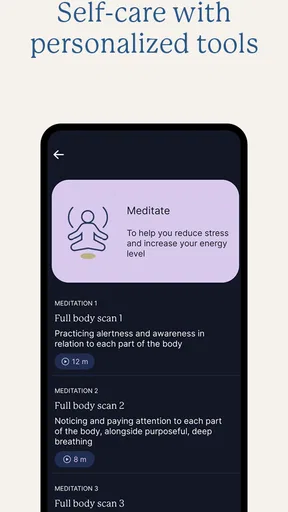
MindEar is a tinnitus-support app designed to help users manage the way they respond to ringing, buzzing, or other phantom sounds in the ears. It generally combines educational information, relaxation exercises, mindfulness techniques, and guided sound-based activities. The goal is not to remove tinnitus instantly, but to reduce stress and improve coping over time through regular practice.
Can MindEar cure tinnitus or replace medical treatment?
No. MindEar should not be considered a cure for tinnitus, hearing loss, ear infections, or other medical conditions. It is intended as a self-help and support tool that may help some people manage tinnitus-related distress. Persistent, sudden, one-sided, or pulsating tinnitus should be evaluated by a qualified healthcare professional, and the app should not replace advice from an audiologist or doctor.
Is MindEar suitable for everyone with tinnitus?
The app may be useful for adults experiencing bothersome tinnitus, particularly when stress, poor sleep, or anxiety makes the symptoms feel more intrusive. However, results can vary considerably. People with sudden hearing changes, severe dizziness, ear pain, neurological symptoms, or tinnitus that beats in time with their pulse should seek medical advice promptly instead of relying only on an app.
What features and activities can users expect inside the app?
MindEar typically focuses on practical exercises rather than a single quick solution. Depending on the current version and platform, users may find guided mindfulness or relaxation sessions, educational lessons, sound-based exercises, progress tracking, and recommendations for building healthier responses to tinnitus. The experience is designed to be followed consistently, so users should expect gradual practice rather than immediate results.
Does MindEar require a subscription, and is an internet connection needed?
Availability of features, pricing, trials, and subscription options can differ between the Android and iOS versions and may change with app updates. Users should check the store listing and in-app purchase screen carefully before starting a trial, including renewal terms and cancellation instructions. Some content may require an internet connection, while downloaded sessions or selected tools may work offline.
